

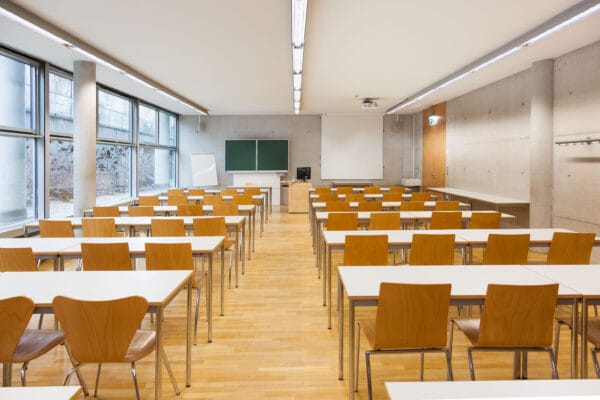
NAME:
SOWI - UR 3
BUILDING:
SOWI
FLOOR:
-1
TYPE:
Seminar Room
CAPACITY:
70
ACCESS:
Only Participants
EQUIPMENT:
Beamer, PC, WLAN (Eduroam), Overhead, Flipchart, Blackboard, Handicapped Accessible, LAN
Today, mountain tourists who travel to Iran cannot see the Damavand Icefall anymore; Sherpa’s life in Sagarmatha National Park hugely relies on the future of Khumbu Glacier; 2050’s repeat photography of Columbia Icefield might be a dry valley full of falling rocks; the lack of snowpack is extremely affecting winter sports in the Alps. The future of mountaineering as a sport and adventure, which heavily relies on ice, snow, and glaciers, is changing due to climate change and global warming. Mountain glaciers, trails, and mountain huts from the Alps to the Himalayas and from the Andes to the Rockies, characterized as mountain heritages are collapsing under the weight of a warming world. While scientific studies have documented these physical effects, mountaineer’s narratives interwoven with such environmental change remain unexplored. In my master’s project with a critical lens, I focused on one of the most important mountaineering journals in North America, the Canadian Alpine Journal that climbing stories and experiences have been published since 1907. By employing visual and archival methods, we scrutinized the 20 volumes of the Canadian Alpine Journal (1922-1931 and 2013-2022), categorizing the data into early and modern narratives. We hypothesized that early climbers would concentrate solely on heroism, first-ascent, and adventure themes, while more recent mountaineers, would heavily bring climate change awareness. In contrast to our predictions, however, many old twentieth-century records appeared as environmental stewardship actions, even without explicit climate science terminologies like meteorology or climate change; whereas the modern generation of mountain storytellers has received comparatively scant attention to this crucial interdisciplinary phenomenon. Our findings not only are a rich archival investigation, but also could be an important awareness for global mountain forums, stakeholders, guides, and scientists, bringing a debate over the roots and reasons behind the recent inconsistency in addressing climate concerns in international mountaineering communities.
We and use cookies and other tracking technologies to improve your experience on our website. We may store and/or access information on a device and process personal data, such as your IP address and browsing data, for personalised advertising and content, advertising and content measurement, audience research and services development. Additionally, we may utilize precise geolocation data and identification through device scanning.
Please note that your consent will be valid across all our subdomains. You can change or withdraw your consent at any time by clicking the “Consent Preferences” button at the bottom of your screen. We respect your choices and are committed to providing you with a transparent and secure browsing experience.