
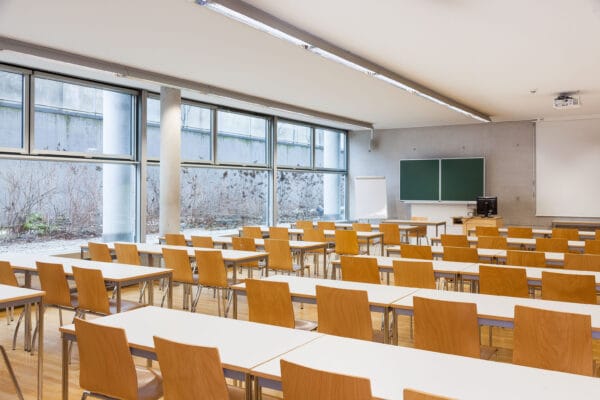
NAME:
SOWI - UR 1
BUILDING:
SOWI
FLOOR:
-1
TYPE:
Seminar Room
CAPACITY:
50
ACCESS:
Only Participants
EQUIPMENT:
Beamer, PC, WLAN (Eduroam), Overhead, Flipchart, Blackboard, Handicapped Accessible, LAN, Microphones
Before the development and spread of artificial ice and technical refrigeration, natural ice was used for cooling purposes. The ice from lakes, pounds and glaciers was not only used to cool food and beverages, but also for medical and even representative purposes. At the Lower and Upper Grindelwald Glacier in the Swiss Bernese Alps the commercial ice harvesting began in the second half of the 19th century and lasted until around 1930. It was not only the easy access to the ice masses that fostered the industry, but also tourism and the associated development of the infrastructure. One of the main features of the Grindelwald ice trade is its focus on exporting ice, not only to Swiss cities but also abroad.
How the ice harvesting took place in Grindelwald is at the centre of this contribution. The analysis is based not only on written sources and various photographs, but also on traditional tools. These provide information on how the large blocks of ice were detached from the glaciers. However, commercial ice harvesting on the Grindelwald Glaciers also had an impact on the environment. This led to concerns by some residents that ice harvesting could have a negative impact on the view of the glaciers, which would also have negative consequences for the important tourism industry. In addition, various transport systems were constructed between the Lower Grindelwald Glacier and the village of Grindelwald in order to transport the ice blocks more quickly. These left marks on the landscape, some of which are still visible today.
With the retreat of the glaciers into areas that were difficult to access as well as the spread of artificial ice and technical refrigeration, the commercial ice harvesting on the Grindelwald Glaciers came to an end.
We and use cookies and other tracking technologies to improve your experience on our website. We may store and/or access information on a device and process personal data, such as your IP address and browsing data, for personalised advertising and content, advertising and content measurement, audience research and services development. Additionally, we may utilize precise geolocation data and identification through device scanning.
Please note that your consent will be valid across all our subdomains. You can change or withdraw your consent at any time by clicking the “Consent Preferences” button at the bottom of your screen. We respect your choices and are committed to providing you with a transparent and secure browsing experience.