
NAME:
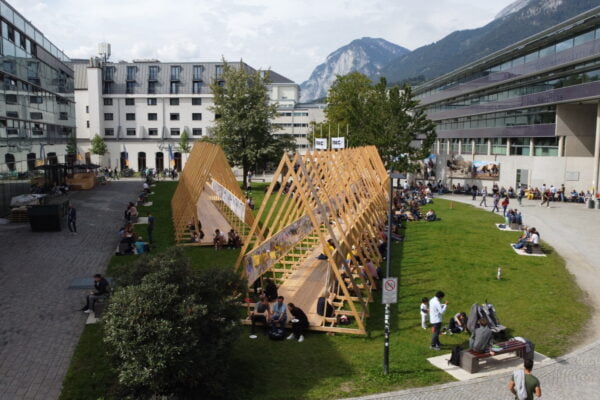
SOWI - Garden
BUILDING:
SOWI
FLOOR:
0
TYPE:
Garden
CAPACITY:
2000
ACCESS:
Public Access
EQUIPMENT:
---
Drought events in Mediterranean mountain regions severely impact water resource management, requiring advanced monitoring and predictive systems to anticipate and mitigate these impacts. These areas are particularly vulnerable due to their complex hydro-climatic dynamics, variable precipitation patterns, and increasing anthropogenic pressures such as agriculture and livestock farming. Early warning systems are key to these regions, where water scarcity is often aggravated by poor water quality and unsustainable reservoir operations, both derived from the economic uses. Within the Andalusian Drought Plan framework call for Innovative Solutions, this work presents a novel early warning system based on a Combined Water Scarcity Index (CSI). This index integrates four essential indicators: meteorological, agronomic, and hydrological drought, and a water quality deterioration aspect, a critical but often neglected component in conventional drought monitoring. This approach incorporates water quality and reservoir management as key determinants of water availability. The CSI is designed to be distributed and scalable, making it applicable across various levels of decision-making, including reservoir management, agricultural and livestock water planning, watershed management, natural parks, and local governance structures. As a real-world pilot, the study focuses on the Pedroches and Alto Guadiato regions in northern Córdoba, Spain, areas that have been severely affected by prolonged drought conditions, inadequate water management strategies, and declining water quality. This setting allows for exploring drought triggers and system tipping points, establishing threshold values for key indicators, and ensuring a more robust and actionable drought alert system. The project evaluates the complex interdependencies between meteorological, agronomic, hydrological, and water quality indicators by leveraging historical and real-time datasets from meteorological stations, remote sensing, and in-situ water quality monitoring, enhancing the final accuracy of risk assessment. Climate projections and hydrological simulations will enable the anticipation of drought conditions up to six months in advance. Based on scientific knowledge, the service is reproducible, scalable, and implementable in the long term, reinforcing decision-making processes.
We and use cookies and other tracking technologies to improve your experience on our website. We may store and/or access information on a device and process personal data, such as your IP address and browsing data, for personalised advertising and content, advertising and content measurement, audience research and services development. Additionally, we may utilize precise geolocation data and identification through device scanning.
Please note that your consent will be valid across all our subdomains. You can change or withdraw your consent at any time by clicking the “Consent Preferences” button at the bottom of your screen. We respect your choices and are committed to providing you with a transparent and secure browsing experience.