
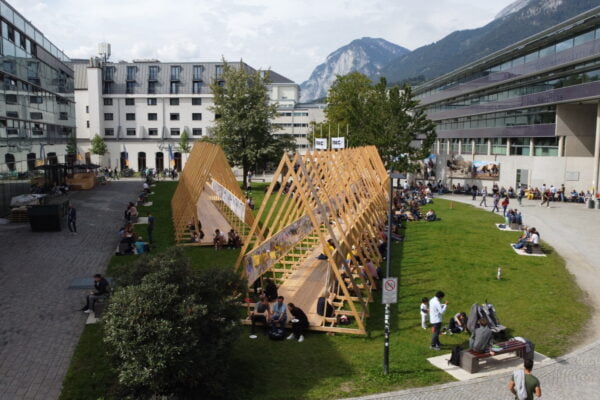
NAME:
SOWI - Garden
BUILDING:
SOWI
FLOOR:
0
TYPE:
Garden
CAPACITY:
2000
ACCESS:
Public Access
EQUIPMENT:
---
In the context of climate change adaptation, alpine winter tourism destinations are confronted with multiple, sometimes conflicting, types of adaptation measures, aiming first and foremost at reducing vulnerability to climate change. Measures’ scopes range from incremental adjustments to transformative turnarounds of existing pathways. Adaptation can be initiated and managed by different actors, including individual self-organised responses, private sector adaptations, community-led initiatives, and government-imposed measures. In this study, we apply two conceptual frameworks from climate change adaptation research to the case of Balderschwang, an alpine winter destination in Bavaria, Germany. The aim is to examine both its recent adaptation development as well as the adaptation visions of the residents. In addition to an in-depth assessment of the case study area, we base our analysis on qualitative interviews conducted with 12 residents, being both community members and tourism stakeholders. Our results show that different adaptation types, both in terms of the depth of intervention and the actors introducing and managing the adaptation, may coexist, potentially enabling or constraining one another, or even evolve into each other. Being aware of these adaptation types can help entangling adaptation barriers and identifying potential linkages that could help aligning adaptation efforts across the different actors, thereby increasing the likelihood of successful climate change adaptation. We conclude that the collaborative approach, a mix of autonomous and planned adaptation, offers a promising way to streamline local adaptation needs with governmental support, increasing the possibility of successful adaptation.
We and use cookies and other tracking technologies to improve your experience on our website. We may store and/or access information on a device and process personal data, such as your IP address and browsing data, for personalised advertising and content, advertising and content measurement, audience research and services development. Additionally, we may utilize precise geolocation data and identification through device scanning.
Please note that your consent will be valid across all our subdomains. You can change or withdraw your consent at any time by clicking the “Consent Preferences” button at the bottom of your screen. We respect your choices and are committed to providing you with a transparent and secure browsing experience.