
NAME:
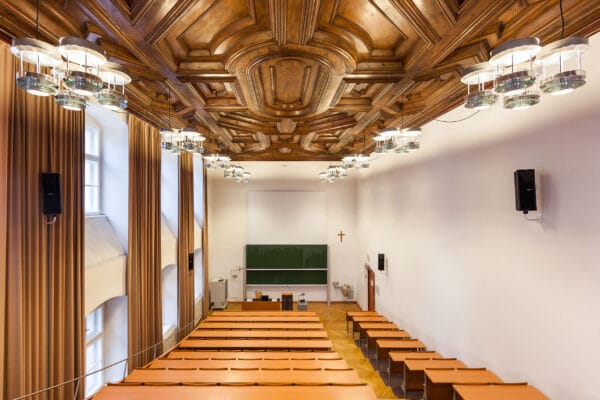
Theologie - HS 1
BUILDING:
Theologie
FLOOR:
1
TYPE:
Lecture Hall
CAPACITY:
126
ACCESS:
Only Participants
EQUIPMENT:
Beamer, PC, WLAN (Eduroam), Overhead, Blackboard, Handicapped Accessible, LAN, Microphones, Sound System, Speaker Desk
Bofedales—high-altitude peat wetlands of the Andes, locally known as ok’os or uqhu in Aymara—are critical ecological systems that regulate water, store carbon, and sustain rich biodiversity while underpinning the livelihoods of ancient pastoral communities. However, climate change, extractive activities, and socio-economic shifts undermine their ecological integrity and the transmission of Traditional Ecological Knowledge (TEK). This project adopts a transdisciplinary approach, integrating Cultural and Political Ecology with the 3H (Co-in-Habitants, Habitats, and Habits) framework, to explore how ritual practices, cosmovision, and indigenous language use influence the biodiversity and ecological stability of bofedales. The study co-produces knowledge that merges remote sensing tools and ecological field work, with indigenous and local knowledge by combining satellite and UAV imagery analysis, botanical field assessments, participatory mapping, and ethnographic workshops. We hypothesize that the regulatory networks formed by cultural rituals and practices enhance the resilience and adaptability of bofedales to environmental and anthropogenic pressures. The insights gained are intended to inform sustainable management strategies and policy interventions, ensuring the long-term viability of these vital low-latitude alpine ecosystems and the cultural heritage of Andean herder communities.
We and use cookies and other tracking technologies to improve your experience on our website. We may store and/or access information on a device and process personal data, such as your IP address and browsing data, for personalised advertising and content, advertising and content measurement, audience research and services development. Additionally, we may utilize precise geolocation data and identification through device scanning.
Please note that your consent will be valid across all our subdomains. You can change or withdraw your consent at any time by clicking the “Consent Preferences” button at the bottom of your screen. We respect your choices and are committed to providing you with a transparent and secure browsing experience.