
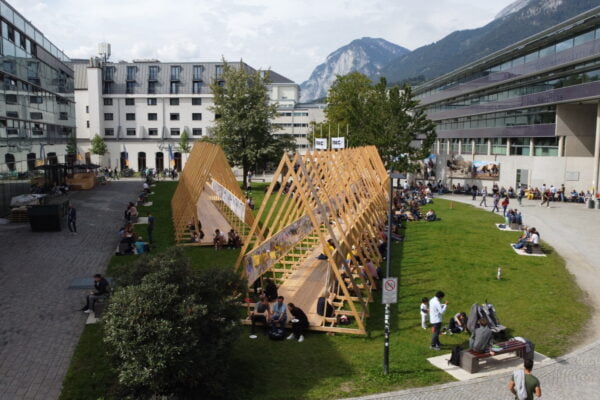
NAME:
SOWI - Garden
BUILDING:
SOWI
FLOOR:
0
TYPE:
Garden
CAPACITY:
2000
ACCESS:
Public Access
EQUIPMENT:
---

Glaciers in the Vilcanota Range (Cusco, Peru) have shrunk by over 40% since 1990, leading to significant reductions in dry-season streamflow (22–35%) and growing risks to water security for Andean communities. This study combines remote sensing (Landsat, Sentinel-2), hydrological modeling (SWAT), and qualitative analysis of 50+ community interviews to assess coupled glacier–water–society dynamics. Findings reveal four key Quechua adaptation strategies: modernization of terraced irrigation systems, use of rain-fed ponds and spring management, community-based water governance, and native seed recovery programs. These practices reflect ancestral hydrological knowledge adapted to a changing climate. The research emphasizes the importance of integrating Indigenous knowledge with scientific data to support resilient water governance in glacier-fed mountain regions. Recommendations include formal recognition of Indigenous water frameworks, co-managed glacier monitoring systems, and reinvestment of ecotourism revenues into watershed restoration.
We and use cookies and other tracking technologies to improve your experience on our website. We may store and/or access information on a device and process personal data, such as your IP address and browsing data, for personalised advertising and content, advertising and content measurement, audience research and services development. Additionally, we may utilize precise geolocation data and identification through device scanning.
Please note that your consent will be valid across all our subdomains. You can change or withdraw your consent at any time by clicking the “Consent Preferences” button at the bottom of your screen. We respect your choices and are committed to providing you with a transparent and secure browsing experience.