NAME:
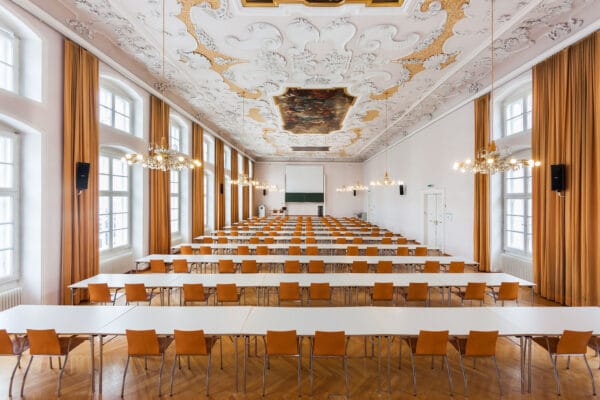
Theologie - MS
BUILDING:
Theologie
FLOOR:
2
TYPE:
Lecture Room
CAPACITY:
108
ACCESS:
Only Participants
EQUIPMENT:
Beamer, PC, WLAN (Eduroam), Overhead, Flipchart, Blackboard, Handicapped Accessible, LAN, Microphones, Sound System
The Andes have been experiencing glacier retreat at an unprecedented pace in the last decades, leading to the rapid expansion of post-glacial terrains. These emerging terrains, though unstable and potentially generating downstream risks, may naturally transform into integrated socio-ecological systems that provide multiple Nature’s Contributions to People. In that sense, they present both challenges and opportunities for people and nature. However, the extremely rapid human-induced climate warming is detrimental to their development. Given that people have inhabited the Andes and interacted tightly with ecosystems for millennia, understanding this ecological transition – and potentially valuing it in this region – is a priority for people and nature. While academic approaches are necessary to acquire this knowledge, they are not sufficient. Indigenous and Local Knowledge (ILK) offers Nature-based Solutions (NbS) already validated by communities and suited to the local context. But the sharing of ILK among communities is hampered by biophysical and socio-economic barriers. We argue that significant progress can be achieved by hybridizing ILK with academic knowledge. This hybridization can support the identification of NbS best-suited to fostering post-glacial ecosystem development, while helping to overcome the biophysical and socio-economic barriers that limit their transferability. These solutions could provide both social and ecological benefits and contribute to risk mitigation. Here, we (1) review existing NbS in high-Andean environments, (2) analyse the biophysical and socio-economic barriers to the transferability of post-glacial NbS, and (3) explore in what aspect knowledge hybridization can enhance the accessibility and transferability of post-glacial NbS.
We and use cookies and other tracking technologies to improve your experience on our website. We may store and/or access information on a device and process personal data, such as your IP address and browsing data, for personalised advertising and content, advertising and content measurement, audience research and services development. Additionally, we may utilize precise geolocation data and identification through device scanning.
Please note that your consent will be valid across all our subdomains. You can change or withdraw your consent at any time by clicking the “Consent Preferences” button at the bottom of your screen. We respect your choices and are committed to providing you with a transparent and secure browsing experience.