
NAME:
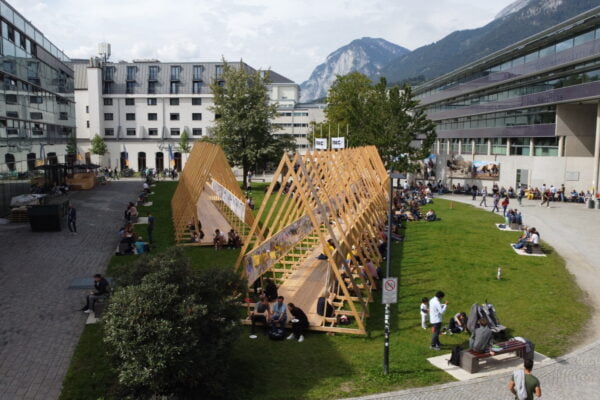
SOWI - Garden
BUILDING:
SOWI
FLOOR:
0
TYPE:
Garden
CAPACITY:
2000
ACCESS:
Public Access
EQUIPMENT:
---
Rapid melting of Caucasian glaciers and snowfields has changed lake catchments and lacustrine ecosystems on Armenian highland. Several small glaciers on Virahayots, Gugarats, and Zangezur ridges were main water sources for mountain rivers and lakes in the middle of last century. Currently there are no glaciers in Armenia and there is a prominent decline of precipitation in the region due to climatic warming. Nevertheless, due to severe conditions in highlands, quite short hydrological summer, and lacustrine ecosystems buffer capacity the lakes still show their resilience to climate change. On the one hand, morphometric parameters has not dramatically changed, planktonic species have not varied and modified much, hydrochemical parameters and sediment geochemistry can be easily compared with former studies. On the other hand, water catchments of lakes have lost water source because of the snowpatches melting, vegetation have being changed slowly due to groundwater storage decrease and evapotranspiration rise; a
We and use cookies and other tracking technologies to improve your experience on our website. We may store and/or access information on a device and process personal data, such as your IP address and browsing data, for personalised advertising and content, advertising and content measurement, audience research and services development. Additionally, we may utilize precise geolocation data and identification through device scanning.
Please note that your consent will be valid across all our subdomains. You can change or withdraw your consent at any time by clicking the “Consent Preferences” button at the bottom of your screen. We respect your choices and are committed to providing you with a transparent and secure browsing experience.