NAME:
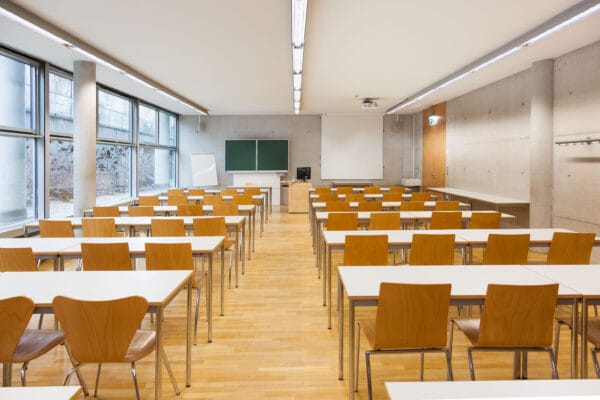
SOWI - UR 3
BUILDING:
SOWI
FLOOR:
-1
TYPE:
Seminar Room
CAPACITY:
70
ACCESS:
Only Participants
EQUIPMENT:
Beamer, PC, WLAN (Eduroam), Overhead, Flipchart, Blackboard, Handicapped Accessible, LAN
Winter nature-based outdoor activities like ski touring, snowshoeing, and winter hiking are steadily growing in importance. Mountain destinations offer a wide range of recreational opportunities while at the same time fostering appreciation for nature and enhancing avalanche hazard awareness. Managing avalanche risks and ensuring visitors’ safety require understanding both: avalanche hazards and visitor behavior to implement effective risk management strategies.
Therefore, our study aims to investigate determinants of avalanche risk and support preparedness planning, based on systematic long-term visitor and avalanche hazard monitoring in the Tatra National Park, Poland. Our work is based upon empirical data collected between 2018-2024: daily visitor counts, avalanche accidents records, meteorological data and avalanche danger level. The results show visitation patterns and avalanche accidents determinants. To conclude, systematic long-term monitoring of avalanche risk determinants is necessary to develop successful risk management strategies in winter nature-based tourism and need to be integrated within a broader sustainable mountain tourism development .
We and use cookies and other tracking technologies to improve your experience on our website. We may store and/or access information on a device and process personal data, such as your IP address and browsing data, for personalised advertising and content, advertising and content measurement, audience research and services development. Additionally, we may utilize precise geolocation data and identification through device scanning.
Please note that your consent will be valid across all our subdomains. You can change or withdraw your consent at any time by clicking the “Consent Preferences” button at the bottom of your screen. We respect your choices and are committed to providing you with a transparent and secure browsing experience.