NAME:
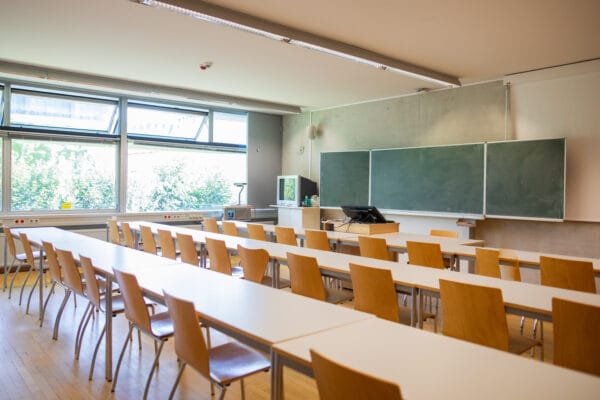
SOWI - SR 12
BUILDING:
SOWI
FLOOR:
3
TYPE:
Seminar Room
CAPACITY:
36
ACCESS:
Only Participants
EQUIPMENT:
Beamer, PC, WLAN (Eduroam), Overhead, Blackboard, Handicapped Accessible, LAN
Mountain communities act as early-warning “antennas” for environmental, social, and economic change, as they experience shifts—such as climate variability, demographic transitions, and resource pressures—earlier and more intensely than many other regions. Their heightened sensitivity not only highlights vulnerabilities but also provides unique opportunities to explore transformative resilience strategies that extend beyond the traditional focus on adaptation. By framing mountain areas as “living systems labs,” we can investigate how innovative practices, policies, and self-reflexive processes can steer these complex social-ecological systems (SES) toward more desirable futures. Drawing on case studies from alpine regions, we illustrate how local communities navigate acute climate extremes, respond to evolving land-use demands, and adapt to shifting socio-economic conditions. While adaptive measures—such as enhancing infrastructure and emergency planning—are crucial, our approach emphasizes transformative and inner dimensions of resilience. Transformative resilience involves reimagining development pathways, restructuring resource governance, and embracing new livelihood opportunities, while inner resilience addresses the self-reflexive and emotional capacities of individuals and groups to cope with and shape change. A key element of our research is the alpine-urban relational sphere, where upstream-downstream interdependencies foster joint opportunities for experimentation and knowledge co-creation. Collaborations among mountain inhabitants, urban stakeholders, policymakers, and researchers enable innovative responses to shared challenges, such as changing water availability, tourism pressures, and socio-economic shifts. We examine how partnerships across geographical and disciplinary boundaries can generate fresh insights and accelerate transformative action. By integrating adaptive, transformative, and inner resilience, we highlight how mountain communities, researchers, and practitioners can jointly address the complexity and uncertainty characteristic of these environments. Ultimately, our presentation underscores the potential for mountain regions not only to signal imminent global changes but also to serve as pioneering sites for fostering a comprehensive vision of resilience—one that balances immediate recovery with long-term transformation and personal as well as collective well-being.
We and use cookies and other tracking technologies to improve your experience on our website. We may store and/or access information on a device and process personal data, such as your IP address and browsing data, for personalised advertising and content, advertising and content measurement, audience research and services development. Additionally, we may utilize precise geolocation data and identification through device scanning.
Please note that your consent will be valid across all our subdomains. You can change or withdraw your consent at any time by clicking the “Consent Preferences” button at the bottom of your screen. We respect your choices and are committed to providing you with a transparent and secure browsing experience.