
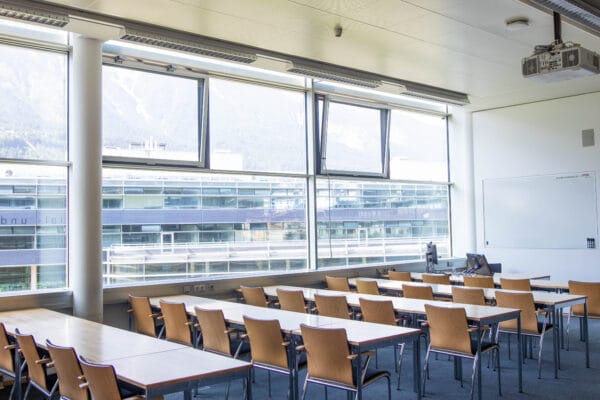
NAME:
MCI - SR 303
BUILDING:
Management Center Innsbruck
FLOOR:
3
TYPE:
Seminar Room
CAPACITY:
54
ACCESS:
Only Participants
EQUIPMENT:
Beamer, Handicapped Accessible, PC, Sound System, Whiteboard, WLAN (Eduroam), Microphones
This study focuses on the area encompassing the river basins surrounded by the Aydın and Menteşe Mountains in the Southwestern Anatolia region of Türkiye. This mountainous area represents an important but under-explored geoheritage and biocultural heritage area. This region, which has hosted diverse human communities since antiquity, offers a compelling case study of the dynamic interplay between natural processes and human activities.The region’s complex tectonic history, shaped by successive orogenic phases, has profoundly influenced the formation of its natural resources and the socio-ecological adaptations of its inhabitants. Geomorphologically, the area is characterized by mountainous terrains, erosion surfaces, and plains, with the distinctive Tor topography playing a pivotal role in shaping local climatic, vegetative, and hydrological patterns. The economic structure of the region is deeply intertwined with its geographical and ecological features, with activities such as agriculture, livestock, forestry, mining, tourism, and handicrafts forming the backbone of local livelihoods. These practices not only sustain the local population but also contribute to the sustainable development of the region, reflecting a harmonious integration of human activities with the natural environment. This study adopts a montological framework to investigate how the region’s geography and climate have influenced the relationship between nature and human societies. Through a combination of geospatial analysis, field studies, and participatory research, we have developed detailed base maps to assess land use characteristics and document changes over time. Our findings highlight the intricate connections between the region’s physical geography, biocultural heritage, and socio-economic practices, offering valuable insights into the sustainable management of mountainous landscapes. The results of this study aim to contribute to the growing body of knowledge on montology while providing an example for future conservation and development initiatives in Southwestern Anatolia and similar regions worldwide.
We and use cookies and other tracking technologies to improve your experience on our website. We may store and/or access information on a device and process personal data, such as your IP address and browsing data, for personalised advertising and content, advertising and content measurement, audience research and services development. Additionally, we may utilize precise geolocation data and identification through device scanning.
Please note that your consent will be valid across all our subdomains. You can change or withdraw your consent at any time by clicking the “Consent Preferences” button at the bottom of your screen. We respect your choices and are committed to providing you with a transparent and secure browsing experience.