

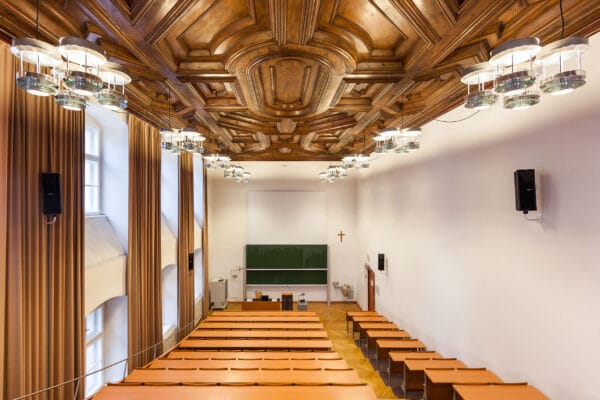
NAME:
Theologie - HS 1
BUILDING:
Theologie
FLOOR:
1
TYPE:
Lecture Hall
CAPACITY:
126
ACCESS:
Only Participants
EQUIPMENT:
Beamer, PC, WLAN (Eduroam), Overhead, Blackboard, Handicapped Accessible, LAN, Microphones, Sound System, Speaker Desk
Mountain springs are vital for biodiversity. In many rural areas of the Himalayas, springs are also important water sources and have cultural significance for local people. However, these aquatic ecosystems are increasingly facing depletion, leading to growing water scarcity. The combination of natural factors, human activities and climate change is intensifying the problem. Yet, there is a lack of comprehensive research on the extent of these impacts. This study investigates the physiochemical and biological changes in springs in Nepal’s middle hills region over a six-year period, examining how both environmental shifts and human activities are affecting these vital water sources and their ecosystems. The findings highlight the current status of springs and offer crucial insights for the development of policies aimed at conserving these water resources in the Himalayas.
We and use cookies and other tracking technologies to improve your experience on our website. We may store and/or access information on a device and process personal data, such as your IP address and browsing data, for personalised advertising and content, advertising and content measurement, audience research and services development. Additionally, we may utilize precise geolocation data and identification through device scanning.
Please note that your consent will be valid across all our subdomains. You can change or withdraw your consent at any time by clicking the “Consent Preferences” button at the bottom of your screen. We respect your choices and are committed to providing you with a transparent and secure browsing experience.