NAME:
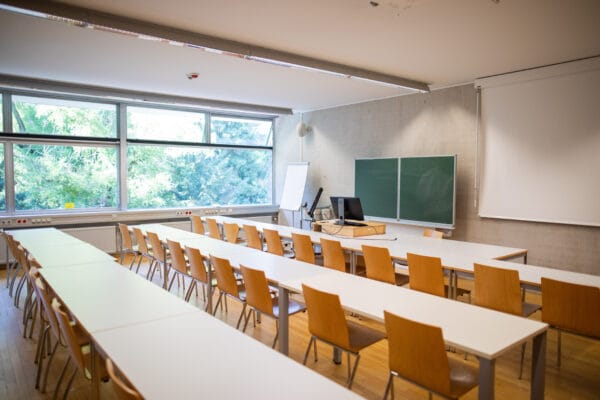
SOWI - SR 11
BUILDING:
SOWI
FLOOR:
3
TYPE:
Seminar Room
CAPACITY:
36
ACCESS:
Only Participants
EQUIPMENT:
Beamer, PC, WLAN (Eduroam), Overhead, Flipchart, Blackboard, Handicapped Accessible, LAN
Glaciers are important components of the global water cycle, acting as natural reservoirs that provide water for downstream ecosystems and communities. Understanding how glaciers respond to a warming climate is fundamental for predicting future water resources. Debris-covered glaciers complicate this due to the heterogeneous effects that debris cover has on ice melt. Changes in debris extent and thickness affect melt rates, runoff, and glacier evolution. Despite this, many studies focus on glacier retreat and runoff changes while overlooking the dynamic role of debris cover. The interaction between debris extent and debris thickness evolution, sub-debris melt and long-term runoff remains poorly understood in debris-covered glacier systems. We investigate the long-term hydrology of the ~190 km2 Aletschgletscher catchment in the Swiss Alps by integrating debris-cover extent and thickness evolution into mass balance and runoff modelling, addressing a significant knowledge gap in how debris evolution influences hydrological systems. Using the mechanistic land surface model Tethys-Chloris, we reconstruct mass balance and runoff as far back as the early to mid-20th century. Historical maps from SwissTopo were used to reconstruct yearly glacier and debris extents as well as DEMs derived from contour lines. Fieldwork conducted in 2023 provides a comprehensive characterisation of debris properties, allowing us to estimate past debris thicknesses based on interpolation of present day debris-thickness to past debris free periods. Meteorological data from MeteoSwiss and ERA5-Land serve as inputs for the model. Initial results show how changes in debris cover extent and thickness have influenced glacier mass balance and runoff over time. Our findings show the role debris cover plays in controlling glacier hydrology, highlighting the need to incorporate debris dynamics into future predictions of glacier runoff and water resource management in a warming climate.
We and use cookies and other tracking technologies to improve your experience on our website. We may store and/or access information on a device and process personal data, such as your IP address and browsing data, for personalised advertising and content, advertising and content measurement, audience research and services development. Additionally, we may utilize precise geolocation data and identification through device scanning.
Please note that your consent will be valid across all our subdomains. You can change or withdraw your consent at any time by clicking the “Consent Preferences” button at the bottom of your screen. We respect your choices and are committed to providing you with a transparent and secure browsing experience.